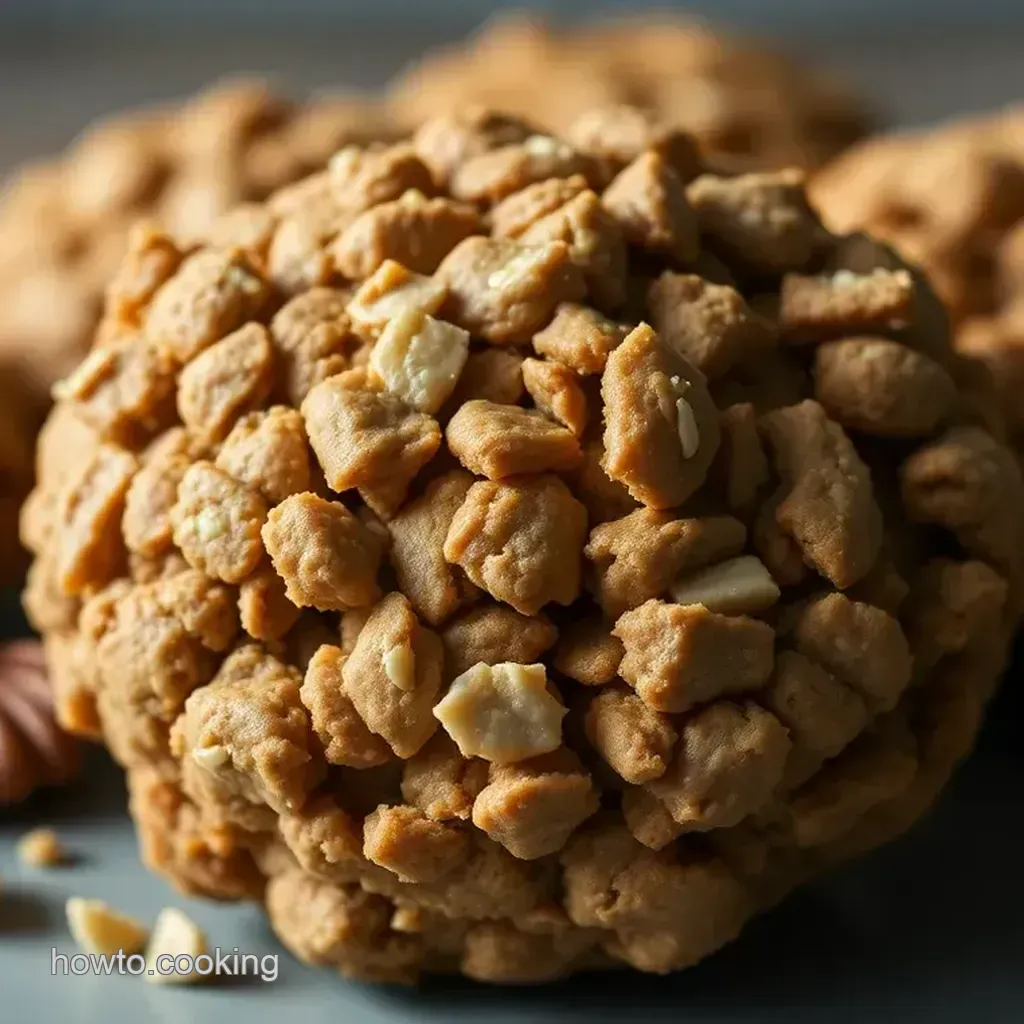
Unlock Perfect Peanut Butter Oatmeal Cookies: Ingredient Secrets
There are few treats as universally beloved and satisfying as a warm, freshly baked cookie. Among the vast galaxy of cookie delights, the humble peanut butter oatmeal cookie shines bright, revered for its irresistible blend of nutty, sweet, and chewy textures. What if we told you that achieving these perfectly soft, delightfully chewy, and often crispy-edged masterpieces isn't a complex feat of culinary wizardry? In fact, the magic largely lies in just a handful of pantry staples and a keen understanding of their roles. These cookies are renowned for being effortless to make, often requiring only five core ingredients and about 20 minutes from start to finish. The secret to their incredible flavor and texture isn't just *what* you use, but *why* each component is chosen and how it contributes to the symphony of deliciousness.
The Quintessential Five: Unpacking Your Pantry Staples
At the heart of every exceptional batch of
peanut butter oatmeal cookies lies a simple, yet powerful, combination of ingredients. It's a testament to the power of quality basics, proving that you don't need a gourmet grocery list to create something truly extraordinary. Let's delve into these essential components and uncover their individual contributions to the perfect cookie.
Peanut Butter: The Heart of the Cookie
Unsurprisingly, peanut butter is the star of the show. It provides that unmistakable nutty flavor and a significant portion of the cookie's structure and fat content. But not all peanut butter is created equal when it comes to baking.
*
Chunky vs. Smooth: For a delightful textural contrast, many bakers swear by
chunky peanut butter. Those little bits of peanuts distribute throughout the dough, adding an extra layer of crunch that complements the chewy oats. However, if you prefer a uniformly smooth cookie, creamy peanut butter works equally well. The choice largely comes down to personal preference for texture.
*
Commercial vs. Natural: This is a crucial distinction. Most recipes, including the foundation for these effortless cookies, are developed using commercially processed peanut butter (like Jif or Skippy). These brands often contain added sugars and hydrogenated oils, which contribute to a more stable, consistent texture in your dough.
Natural peanut butters, which typically separate oil from solids, can sometimes lead to a drier, more crumbly cookie texture because of their different fat-to-solid ratio. While you can certainly experiment with natural varieties, be prepared to potentially adjust other ingredients or accept a slightly different final product. For consistent results, especially when starting out, stick with commercially made options.
Oats: The Chewy Backbone
Oats are the unsung hero, providing bulk, a distinct chewiness, and a wholesome character to these cookies. Their type significantly impacts the final texture.
*
Quick-Cooking vs. Old-Fashioned: While quick-cooking oats can be used in a pinch,
old-fashioned rolled oats are generally preferred for
the ultimate peanut butter oatmeal cookie. Old-fashioned oats are less processed, retaining more of their original shape and structure, which translates into a more substantial, satisfyingly chewy texture in the baked cookie. Quick oats, being cut into smaller pieces, tend to break down more during baking, resulting in a softer, less discernible texture.
*
Role in Texture: Beyond chewiness, oats absorb moisture from the dough, contributing to the cookie's overall structure and preventing it from becoming too dense or overly crisp. They also lend a rustic, hearty feel that perfectly balances the richness of the peanut butter.
Brown Sugar: Beyond Sweetness
Brown sugar is not merely a sweetener; it’s a foundational ingredient that profoundly impacts both the flavor and texture of your peanut butter oatmeal cookies.
*
Rich Molasses Flavor: Unlike granulated white sugar, brown sugar contains molasses, which imparts a deep, caramelized, and slightly complex flavor profile. This molasses-like richness beautifully complements the nutty notes of the peanut butter, creating a more nuanced and satisfying taste. Dark brown sugar will intensify this molasses flavor even further than light brown sugar, offering a bolder taste and slightly darker cookie.
*
Texture Contribution: Brown sugar is key to achieving that desirable soft and puffy texture. Its finer granules and inherent moisture allow it to cream more easily and thoroughly with peanut butter compared to white sugar. This creaming process creates tiny air pockets within the mixture, which expand during baking, resulting in a lighter, softer, and more tender cookie crumb. Using brown sugar ensures your cookies stay moist and chewy for longer.
Eggs: The Essential Binder and Spreader
Often called the "glue" of baking, eggs play multiple vital roles in bringing your cookie dough together and shaping its final form.
*
Binding Agent: Eggs are crucial for binding all the ingredients together, ensuring the dough comes together as a cohesive mass rather than a crumbly mess. Without them, your cookies would likely fall apart.
*
Structure and Spread: As the egg whites coagulate during baking, they contribute to the cookie's structure. The moisture in eggs also helps the dough spread out evenly on the baking sheet, preventing overly thick or dense cookies and contributing to those coveted crispy edges. They also add a touch of richness and help with emulsification, creating a smoother dough.
Baking Soda: The Rise to Perfection
For cookies that are wonderfully soft and chewy rather than flat, hard discs, a leavening agent like baking soda is indispensable.
*
Leavening Power: Baking soda is an alkaline compound that, when combined with an acid (even mild ones present in brown sugar or peanut butter) and heat, produces carbon dioxide gas. These gas bubbles get trapped in the dough, causing it to rise and expand.
*
Texture Transformation: This release of carbon dioxide is what gives your
peanut butter oatmeal cookies their characteristic soft and airy texture. Without baking soda, your cookies would likely be dense, flat, and much harder – a far cry from the delightful chewiness we crave. It works quickly, providing that initial lift that sets the cookies up for success.
The Magic Beyond the Mix: The Art of Assembling Your Dough
Understanding the ingredients is just half the battle; how you combine them is equally critical to unlocking the perfect cookie. The initial steps of mixing are where the magic truly begins to unfold, setting the stage for texture and rise.
The Creaming Principle: Peanut Butter & Brown Sugar
One of the most vital steps, and one that should never be rushed, is creaming together the peanut butter and brown sugar. This isn't just about mixing them until combined; it's about incorporating air.
*
Creating Air Pockets: As you beat the peanut butter and brown sugar together, especially until the mixture becomes noticeably lighter in color and airy, you're whipping tiny pockets of air into the fat and sugar. These air pockets are essential for achieving soft, puffy cookies. During baking, these trapped air cells expand, contributing significantly to the cookie's rise and tender crumb.
*
Don't Rush It! Think of this step as laying the foundation. Just as creaming butter and granulated sugar is crucial for many cookie recipes, this peanut butter and brown sugar equivalent needs your patience. Beat them together until the mixture is light and fluffy – a few extra minutes here will pay dividends in cookie perfection. This aeration process also helps the sugar dissolve partially into the fat, leading to a smoother, more uniform dough.
Dough Consistency and Handling
Once the creaming is done, the rest of the mixing process is straightforward. Beating in the egg integrates the liquid and provides structure. Subsequently, stirring in the oats and baking soda until just combined prevents overmixing, which can lead to tough cookies. When it comes to shaping, dropping tablespoons of dough onto a greased baking sheet and gently flattening them with your fingers ensures even baking and helps achieve that slightly wider spread and crispy edge without making them too thin. The goal is uniformity for consistent results across your batch.
Elevating Your Peanut Butter Oatmeal Cookie Experience: Variations & Tips
While the classic five-ingredient recipe yields an undeniably delicious cookie, the beauty of
peanut butter oatmeal cookies lies in their versatility. They serve as an excellent canvas for creative additions, transforming a simple treat into a truly decadent indulgence.
*
Chocolate Lover's Dream: As the reference context hints, the combination of peanut butter and chocolate is iconic. Folding in chocolate chips (milk, semi-sweet, or dark) or even chopped chocolate bars can elevate these cookies to a new level of indulgence. For a playful twist, consider mini chocolate candies like M&Ms, reminiscent of classic "monster cookies."
*
Nutty Additions: Enhance the crunch and flavor by incorporating chopped nuts such as pecans, walnuts, or even additional roasted peanuts.
*
Dried Fruits and Spices: For a chewier texture and a burst of fruity sweetness, try adding raisins, dried cranberries, or chopped dates. A pinch of cinnamon or a dash of vanilla extract can also deepen the flavor profile without overpowering the peanut butter.
*
Baking Tips for Perfection:
*
Don't Overmix: Once the dry ingredients are added, mix only until just combined to avoid developing too much gluten, which can make cookies tough.
*
Don't Overbake: These cookies bake relatively quickly, typically 6-8 minutes at 350°F (175°C). Remove them from the oven when the edges are lightly browned but the centers still look slightly soft. They will continue to set as they cool.
*
Cooling is Key: Transfer the cookies to a wire rack after a minute or two on the baking sheet. This allows air to circulate, preventing the bottoms from getting soggy and ensuring a crispy edge while maintaining a soft interior.
Conclusion
The perfect peanut butter oatmeal cookie is a delightful testament to the power of simple, high-quality ingredients and a few fundamental baking techniques. By understanding the unique role each of the five core components – peanut butter, oats, brown sugar, eggs, and baking soda – plays in creating that irresistible soft, chewy, and flavorful bite, you gain the confidence to whip up a batch anytime. From the choice between chunky or smooth peanut butter to the preference for old-fashioned oats and the critical creaming of brown sugar, every decision contributes to the final masterpiece. So, arm yourself with these ingredient secrets, get baking, and prepare to add this effortlessly delicious recipe to your list of all-time favorites. You're just 20 minutes away from unlocking cookie perfection!